
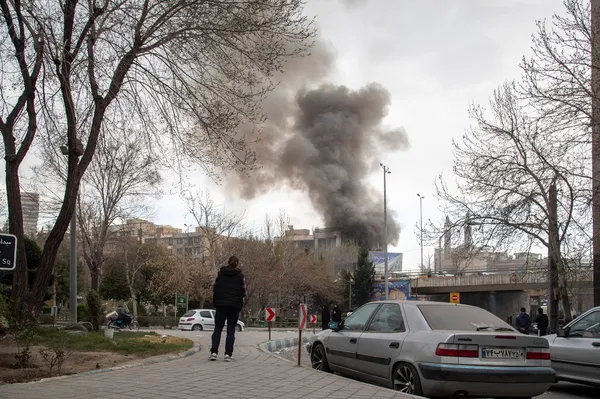
The geopolitical turbulence triggered by the escalating tensions between the United States and Iran is reverberating through the global energy markets. The assassination of a top Iranian commander by a U.S. airstrike and Iran's subsequent retaliatory moves have heightened fears of a full-scale conflict, raising questions about the future of oil prices, supply chains, and global economic stability.
In the short term, the limited surge in oil prices signals that traders are betting on a short conflict. But if the situation escalates into a lengthy disruption, it threatens to cause chaos across markets, with far-reaching implications for consumers, investors, and businesses globally.
When geopolitical tensions rise, particularly in the Middle East, oil prices generally spike. This is due to the region’s significant contribution to the global oil supply. Iran, a member of OPEC, is one of the world's largest oil producers. Therefore, any disruption in the country's oil production or exports can have a significant impact on global oil prices.
However, the current situation is more complex. The U.S. has become a major player in the global energy market, thanks to its booming shale industry. Meanwhile, other major oil producers, such as Saudi Arabia and Russia, have spare capacity that could be used to offset any disruption in Iranian oil exports. This creates a delicate balance, which may limit the impact on oil prices if the conflict remains contained.
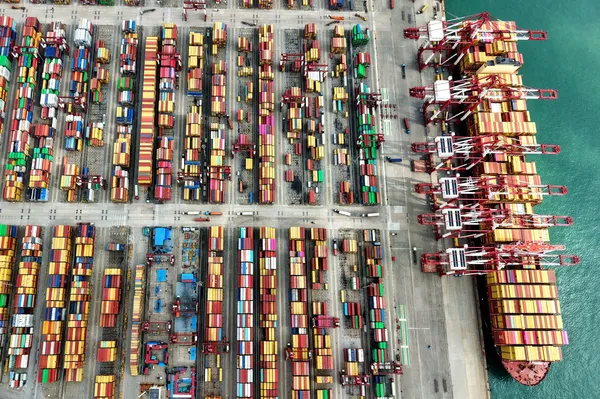
Yet, the potential for a full-scale conflict cannot be ruled out, and this is where the real danger lies for the global economy. A protracted conflict could disrupt not just Iran's oil exports, but the entire Strait of Hormuz, a critical chokepoint for global oil supplies. This could lead to a substantial rise in oil prices, causing a ripple effect across the global economy.
Higher oil prices lead to increased costs for businesses and consumers. For businesses, it means higher operating costs, which could squeeze profit margins, discourage investment, and potentially lead to job losses. For consumers, it translates into higher prices at the gas pump and increased costs for goods and services, putting a strain on household budgets.
Investors, too, would feel the pinch. Higher oil prices could dampen economic growth, leading to weaker corporate earnings and lower stock prices. Moreover, it could exacerbate inflation and prompt central banks to tighten monetary policy, which could further weigh on economic growth and market sentiment.
In conclusion, while the immediate market reaction suggests traders are betting on a short conflict, the risk of a full-scale conflict and its potential impact on the global economy cannot be ignored. The situation calls for careful monitoring and prudent decision-making by investors, businesses, and policymakers alike.
 Next
Next








Comments (0)
Leave a comment